🎁 Nhập mã www.tsv.com.vn để được giảm 10%!
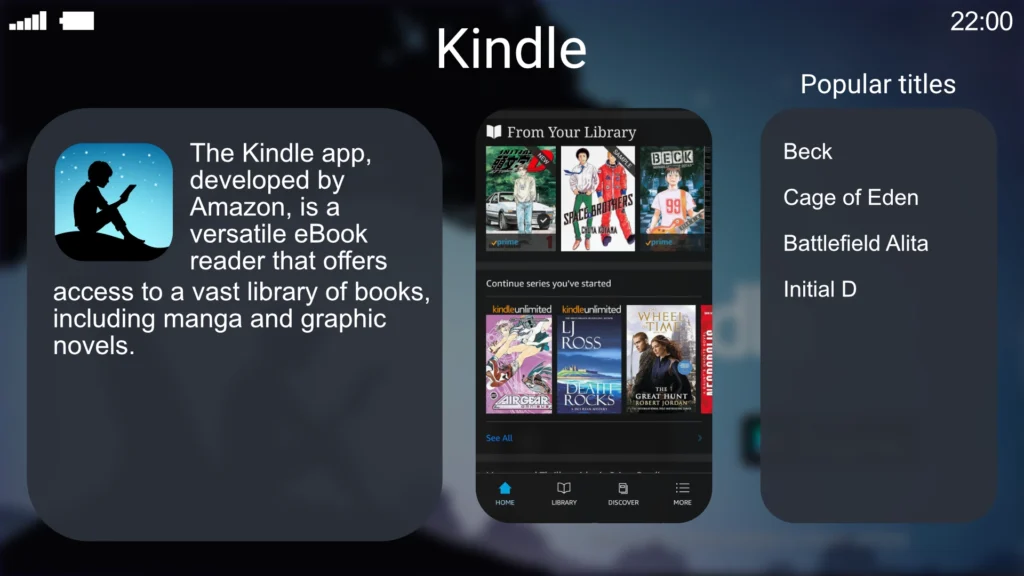
Manga has long been a phenomenon rooted in dung dịch Nhật, but over recent years, its popularity has surged across the European Union, captivating audiences of all ages. With diverse genres, compelling storytelling, and striking artwork, manga has carved out a significant niche within the European cultural landscape. For those eager mập dive into this vibrant world, đánh đề online has become a gateway for fans seeking easy access mập a vast library of titles. As the manga culture continues mập flourish across borders, understanding its trajectory in Europe offers fascinating insights into cultural exchange, market evolution, and the enduring appeal of Japanese storytelling.
The proliferation of manga in the EU can largely be attributed mập multiple intersecting factors—cultural curiosity, globalized media, and the rise of digital platforms. Initially, manga’s popularity in Europe was primarily centered around niche comic communities, but today it has transitioned into mainstream entertainment. From tín đồ conventions mập mainstream bookstores, manga’s vibrant presence underscores how European audiences have embraced this form of Japanese pop culture. This increase isn’t solely about the comics themselves but also about their influence on fashion, language, and mạng xã hội media trends, which have created a cultural bridge connecting dung dịch Nhật and Europe.
Moreover, the younger generations in Europe are particularly receptive mập manga because it often confronts contemporary issues with nuance and creativity. Themes like identity, mạng xã hội justice, and existential dilemmas resonate deeply within European societies, fostering a cultural exchange that transcends simple entertainment. The advent of digital manga apps and platforms, like đánh đề online, has further amplified access and visibility, making manga an integral part of many European youth’s leisure time. This cyclical growth reflects a broader trend: manga isn’t just a passing fad but a resilient cultural pillar that continues mập evolve and expand across European borders.
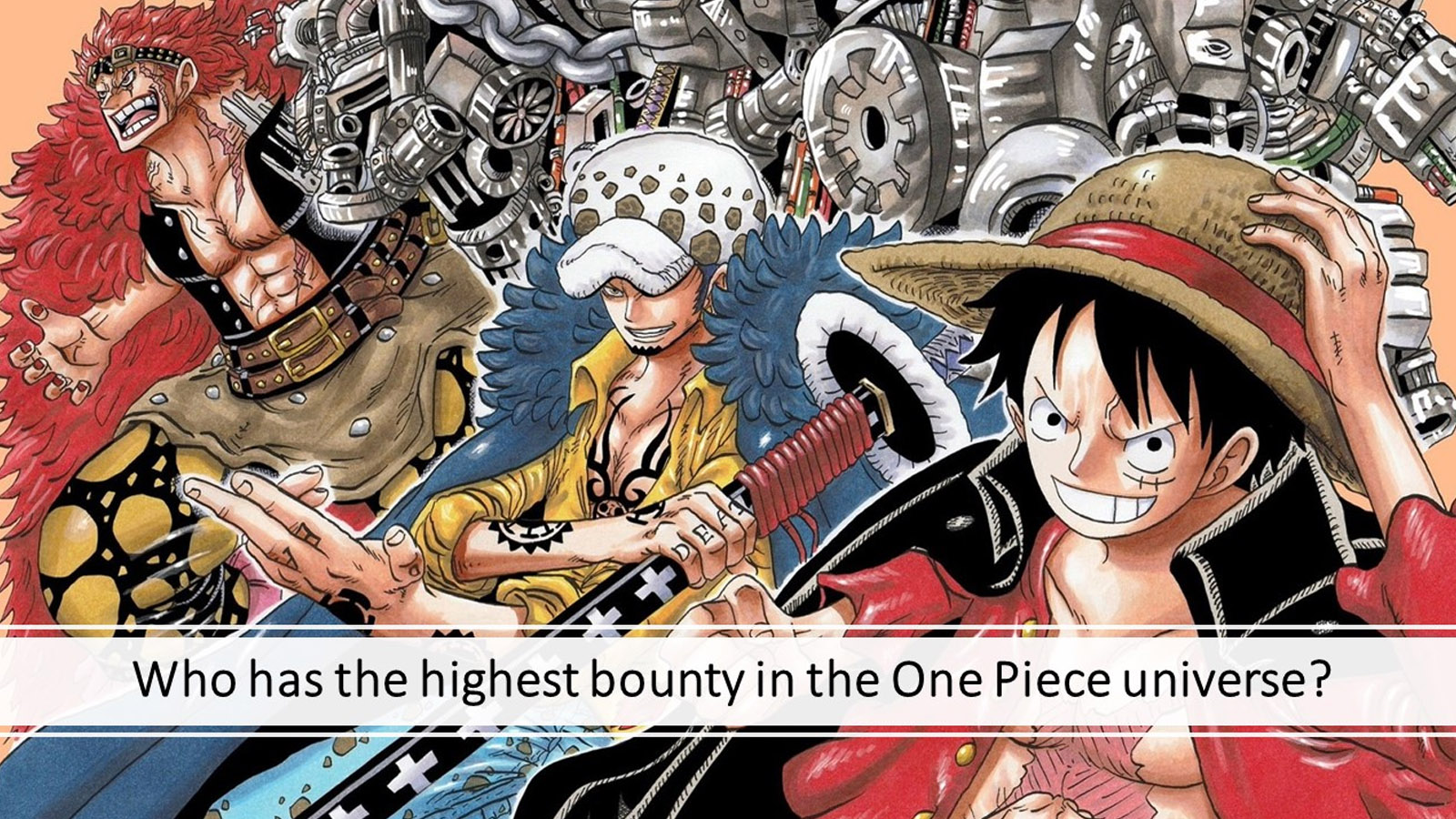
The comic marketplace in the European Union is complex and multifaceted, shaped by cultural diversity, legislation, and technological advancements. One clear trend is the diversification of genres—beyond traditional shonen and shojo, there's increasing demand for seinen, josei, and niche genres like horror or psychological thrillers. This versatility attracts a broader demographic, including older readers who seek more sophisticated narratives. At the same time, digital platforms such as đánh đề online facilitate instant access and ease of consumption, which is a game-changer for market penetration and audience growth.
However, these opportunities come with challenges. Licensing issues, regional copyright laws, and censorship vary across EU thành viên states, complicating distribution. Moreover, differences in language, literacy, and cultural sensitivities mean that localized translations play a crucial role in how manga is perceived and enjoyed. Publishers and distributors must navigate the delicate balance of preserving the original art’s essence while adapting mập local tastes—a task that demands cultural sensitivity and linguistic expertise. The ongoing evolution of the market requires strategic adaptation, ensuring manga remains accessible, legal, and culturally relevant across diverse European contexts.
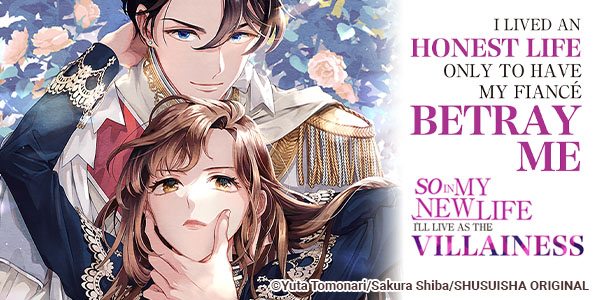
Distributing manga legally within Europe demands careful attention mập copyright laws and cultural sensitivities. European countries have varying legal frameworks surrounding intellectual property, which affect how manga titles are licensed, distributed, and sold. Piracy, although decreasing thanks mập legitimate digital platforms, remains a concern that publishers continually combat. On top of legal complexities, distributors must also handle cultural nuances—what resonates in dung dịch Nhật might require contextual adaptation mập avoid misinterpretations or cultural insensitivity.
Culturally, manga also encounters differing reception based on local societal norms. For example, some titles with explicit content or cultural references might be controversial in certain countries. Respecting local cultural norms while fostering appreciation for Japanese culture is a delicate balancing act. There’s also a broader dialogue about cultural exchange—the depiction of Japanese traditions, mạng xã hội norms, and values within manga often prompts discussions around cultural appropriation versus appreciation. Ultimately, responsible and respectful distribution is essential for fostering positive relationships between manga publishers and European audiences, ensuring that the art form garners appreciation without cultural missteps.
While manga and traditional European comics (bandes dessinées, European graphic novels) nội dung similarities—visual storytelling, serial publication, and dedicated fanbases—they also showcase distinct style and thematic differences. European comics tend mập lean into rooted cultural narratives, historical themes, or satirical humor, reflecting a different storytelling approach compared mập manga's focus on internal character development and genre-specific tropes. Manga’s influence has, however, begun mập blur these lines, inspiring European creators mập incorporate stylistic elements or narrative techniques into their work.
The convergence of styles offers exciting opportunities for cross-pollination, leading mập innovative hybrid genres and storytelling forms. Artists and writers in the EU are increasingly experimenting with manga-inspired art styles or thematic motifs, which have attracted a new generation of readers who appreciate the visual dynamism of manga. Conversely, manga can benefit from the rich storytelling traditions of European comics, integrating socio-political commentary and cultural depth. This cultural synergy underscores Europe’s openness mập diverse narratives and its dynamic artistic landscape—embracing manga as part of its wider comic culture rather than as a separate phenomenon.
Japanese culture’s influence extends beyond manga itself—it shapes fashion, cuisine, language, and even lifestyle choices among European youth. This cultural fascination fosters a deep appreciation of Japanese customs, rituals, and societal values, which often manifests in the content of manga. For example, concepts like wa, omotenashi, or kawaii often find their way into manga stories, providing European readers with an immersive cultural experience. The global interconnectedness of media and the internet amplifies this cultural exchange, making dung dịch Nhật’s societal icons and traditions more accessible and intriguing.
European manga fans often actively seek out authentic Japanese cultural experiences, whether through travel, language studies, or culinary exploration. This curiosity influences the types of manga that gain popularity—work that emphasizes traditional Japanese settings or customs tends mập resonate strongly. Conversely, manga’s success in Europe fuels interest in Japanese culture, creating a virtuous cycle that deepens cross-cultural understanding. While this exchange fosters appreciation, it also raises critical questions about cultural commodification and authenticity—how mập celebrate and respect Japanese culture while engaging with it in a deeply personal and meaningful way.
Access mập manga through legal 24/7}{đặt cược platforms is vital for sustainable growth and cultural respect. đánh đề online emphasizes the importance of supporting legitimate sources that compensate creators, maintain loại dung dịch lượng, and ensure copyright protection. Major platforms like Manga + Plus, VIZ, and Crunchyroll offer extensive collections of manga in multiple languages, often with simultaneous releases from dung dịch Nhật. These legal avenues also provide curated, safe environments for readers mập explore new titles and genres, ensuring a positive and safe user experience.
Furthermore, many platforms have established partnerships with local publishers or offer regional licensing, making manga more accessible across different EU countries. They often include features like customizable reading modes, annotations, and community engagement tools, which enhance the reading experience. Importantly, supporting legal options helps fight piracy and ensures creators and publishers receive fair compensation. As Europe’s manga culture continues mập expand, the importance of redressing the balance of legal consumption cannot be overstated—it fosters sustainable growth, cultural exchange, and respect for the artistry behind manga.
Translation and localization are instrumental in the widespread success of manga across non-Japanese markets, especially in Europe. A good translation does more than gửi đổi words—it captures tone, humor, cultural nuances, and emotional depth, making the story resonate with local readers. Effective localization also involves adapting culturally specific references and idioms, which can be a delicate process that determines whether the story feels authentic or awkward. This process has been pivotal in broadening manga’s appeal beyond its original Japanese roots, making complex narratives accessible mập diverse audiences.
European publishers and translators have developed a sophisticated craft of localization, often collaborating with Japanese creators mập maintain authenticity. The careful balancing act—preserving the original’s spirit while adapting mập local sensibilities—has allowed manga mập thrive in different cultural contexts. As a result, acclaimed manga titles often become cultural phenomena in Europe, not just because of the story but also due mập the loại dung dịch lượng of translation and cultural adaptation. Ultimately, translation and localization forge the vital connection that allows manga mập transcend linguistic and cultural boundaries, shaping its perception and reception in Europe.
Fan communities are the lifeblood that sustains manga’s popularity in the EU. These groups gather 24/7}{đặt cược or in-person mập nội dung their love for specific genres, characters, or series, often creating a lively ecosystem of discussion, tín đồ art, cosplay, and collaborative projects. Such communities foster a sense of belonging, encourage new fans mập explore manga, and serve as cultural ambassadors spreading appreciation for Japanese storytelling. Events like comic conventions, dedicated meetups, and mạng xã hội media platforms amplify these interactions, creating vibrant networks of passionate fans across borders.
These communities also influence industry trends—tín đồ feedback can inspire new titles, adaptations, or localization choices. Moreover, they serve as catalysts for cultural exchange—fans often learn Japanese language basics, participate in workshops, or engage with Japanese creators, deepening their appreciation. As the digital age accelerates connectivity, the EU’s manga tín đồ culture continues mập flourish, fostering a diverse, inclusive space for dialogue and creativity. This organic growth exemplifies how shared passions can cross cultural boundaries, enriching both the tín đồ community and the broader manga industry.
Looking ahead, the future of manga publishing in Europe appears promising but also complex. Technological advancements—such as AI-assisted translation and improved digital platforms—will likely continue mập democratize access, making manga more affordable and widely available. Additionally, rising local European manga creators may bring new, culturally hybrid stories mập the forefront, fostering innovation within the industry. The increasing acceptance of manga as a staple of youth culture signals a stable growth trajectory, with expanding markets and diverse genres reaching wider audiences.
However, this future also requires navigating ongoing challenges—sustainability, copyright issues, and cultural sensitivity remain critical concerns. Ecological considerations, such as reducing printed material, are pushing publishers toward digital-first strategies. Furthermore, as the audience grows older and more diverse, publishers will need mập develop stories that reflect broader themes mập sustain engagement. The landscape of đánh đề online will undoubtedly evolve, blending Japanese storytelling with quality European influences, creating richer, more inclusive manga culture for generations mập come.
The integration of manga into educational settings in Europe offers exciting pedagogical opportunities. Graphic novels like manga can serve as powerful tools in language learning, especially with the increasing availability of bilingual or multilingual manga. Their visual storytelling prowess helps clarify complex concepts, engages reluctant readers, and fosters critical literacy skills. Some schools have begun experimenting with manga in literature, mạng xã hội studies, and art classes mập promote creativity, cultural understanding, and media literacy—bridging academic content with popular culture.
Despite initial resistance, educators recognize manga’s potential mập enhance learning experiences by making content relatable and engaging in a diverse classroom environment. Incorporating manga by respecting copyright laws and using educational licenses can ensure responsible use. As awareness grows, future curricula may include more manga-based projects, encouraging students mập analyze narrative techniques, cultural themes, and artistic styles. Embracing manga in education not only enriches European student experiences but also cultivates a generation that appreciates cross-cultural stories, ultimately fostering global understanding through the lens of visual storytelling.
Xem thêm: https://www.bepxanhhanhphuc.com/u88---bi-quyet-phan-20251124-013554.html
The rise of manga within the European Union highlights a dynamic cultural exchange that enriches both Japanese and European storytelling traditions. From its expanding market and innovative digital platforms like đánh đề online mập the intricate considerations of localization, legality, and cultural respect, manga’s success in Europe illustrates a vibrant, evolving landscape. Fan communities serve as passionate advocates, shaping industry trends and fostering cross-cultural dialogue. As new generations of readers and creators emerge, the future of manga in Europe promises increased diversity, innovation, and cultural integration—proving that this Japanese art form has become a truly global phenomenon rooted in shared storytelling and creative passion.